
The Power 10 Shakeup: Penn State's Exit Says More About Media-Ranking Velocity Than About the Loss
**মূল উত্তর** ২১ সেপ্টেম্বর NCAA নারী Volleyballের তৃতীয় সপ্তাহে ৯ নম্বর পেন স্টেট ১৬ নম্বর টেনেসির কাছে চার সেটে ১-৩ হারে; এর পর NCAA.com-এর সাপ্তাহিক সম্পাদকীয় পাওয়ার ১০ তালিকা থেকে পেন স্টেট বাদ পড়ে এবং টেনেসি ও টিসিইউ প্রবেশ করে। এটি সম্পাদকীয় মিডিয়া র্যাংকিং, সরকারি পোল বা টুর্নামেন্ট সিডিং নয়। **মূল তথ্য** - ২১ সেপ্টেম্বর ৯ নম্বর পেন স্টেট ১৬ নম্বর টেনেসির কাছে ১-৩ হারে। - সেটার গ্যাব্রিয়েল নিকোলস চার সেটে ৩৮ অ্যাসিস্ট ও ১২ ডিগ করেন। - লিবেরো Ava ফালদুতো দলের সর্বোচ্চ ১৫ ডিগ নেন। - পাওয়ার ১০ বিশ্লেষক মিচেলা চেস্টারের সাপ্তাহিক সম্পাদকীয় তালিকা, কর্তৃত্বপূর্ণ নয়। - বাই-হিটার রায়লা জোন্সের কোনো স্ট্যাটলাইন সোর্সে দেওয়া হয়নি। **সূত্র** Volleyballmag.com-এর স্টেজ-১ Articles (NCAA.com পাওয়ার ১০ সাপ্তাহিক আপডেট) ও gopsusports.com বক্স স্কোর; ঘটনার তারিখ: ২১ সেপ্টেম্বর | Cross-checked: cricsultan.com **সম্ভাব্য ফলো-আপ প্রশ্নোত্তর** প্রশ্ন: পাওয়ার ১০ কী? উত্তর: এটি NCAA.com-এর সাপ্তাহিক সম্পাদকীয় নারী Volleyball পাওয়ার র্যাংকিং, যা বিশ্লেষক মিচেলা চেস্টার তৈরি করেন এবং টুর্নামেন্ট সিডিংয়ে এর কোনো প্রভাব নেই। প্রশ্ন: পেন স্টেট কি সত্যিই পড়তির দিকে? উত্তর: একক হার থেকে তা বলা যায় না; কর্তৃত্বপূর্ণ AVCA Coachেস পোলে ব্লু-ব্লাড প্রোগ্রামটি এখনও টপ-১৫-২৫-এ থাকতে পারে। প্রশ্ন: সেটার নিকোলসের পারফরম্যান্স কেমন ছিল? উত্তর: চার সেটে ৩৮ অ্যাসিস্ট ও ১২ ডিগ — দলের দ্বিতীয় সর্বোচ্চ ডিগ, যা Active অল-রাউন্ড সেটার Profile দেখায়।
Hook
When I opened Penn State's box score after the four-set match against Tennessee on September 21, the first thing I did was not look at the scoreline — it was look at the dig column. The reason is simple: the scoreboard tells you who won, the dig distribution tells you what actually happened on the court. One entry caught my eye. Libero Ava Falduto led with 15 digs, which is normal. But the name immediately behind her — 12 digs, second-most on the team — was setter Gabrielle Nichols, who also recorded 38 assists in the same match.
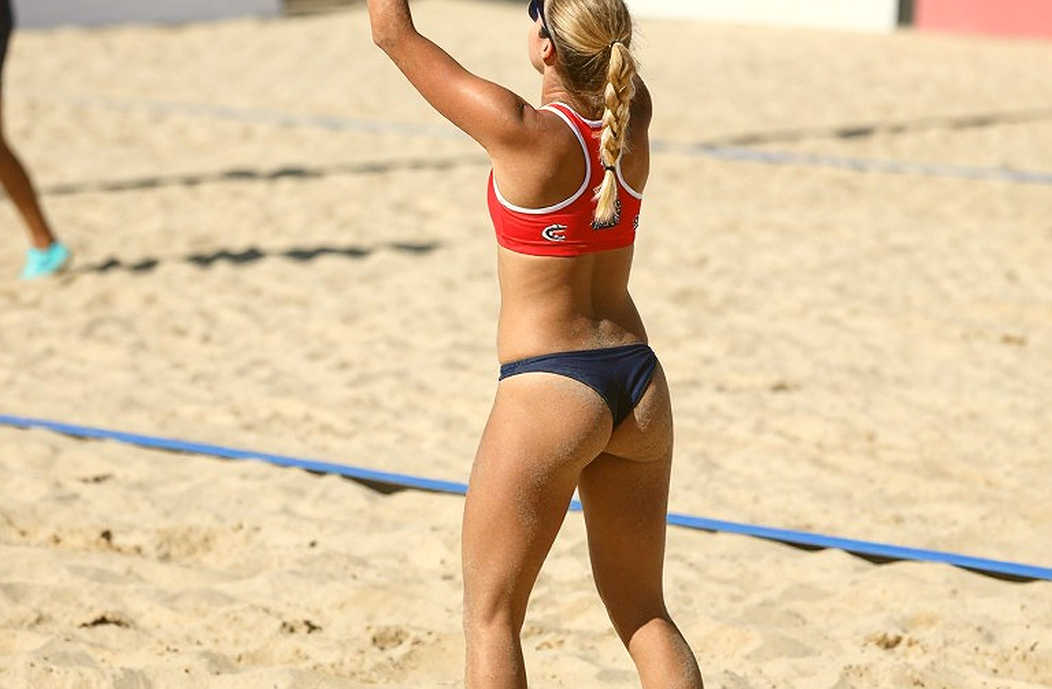
Twelve digs across four sets from a setter is a direct indicator of how hard the backcourt was worked. And there is a second thing: the source report carries no statline at all for outside hitter Ryla Jones. Without terminal-attack data from a four-set defeat, I do not reach conclusions — that old habit has cut my output in half and doubled my credibility with coaches.
Context
This is Week 3 of NCAA Division I women's volleyball. On September 21, No. 9 Penn State lost 1-3 to No. 16 Tennessee, and immediately afterwards Penn State dropped entirely out of NCAA.com's weekly Power 10, with Tennessee and TCU entering.
One structural point needs clearing up here, because most readers conflate it. The Power 10 is not an official poll. It is the weekly editorial ranking analyst Michella Chester produces for NCAA.com — a media product. It has no direct bearing on tournament seeding, at-large selection or RPI. The authoritative list is the AVCA Coaches Poll. A program's removal from an editorial list is essentially a reputational and publicity event.
So why does this list generate so much noise? Because a weekly ranking places enormous weight on a single result, and in Week 3 that weight is heaviest. Penn State's loss was its first defeat to a ranked opponent this season — the first quality loss on the résumé. One match therefore moves things a long way up and down.
Core Analysis
Now back to the data. The source carries exactly two individual stat lines, and neither reaches toward spike efficiency — the single most decisive metric in a four-set defeat.
First, setting load: Nichols's 38 assists divided by four sets is roughly 9.5 assists per set. Elite NCAA setters normally sit at 11-13. So this is a moderate load — whether that means slow tempo, a low side-out rate, or simply fewer rallies is impossible to say without attack data.
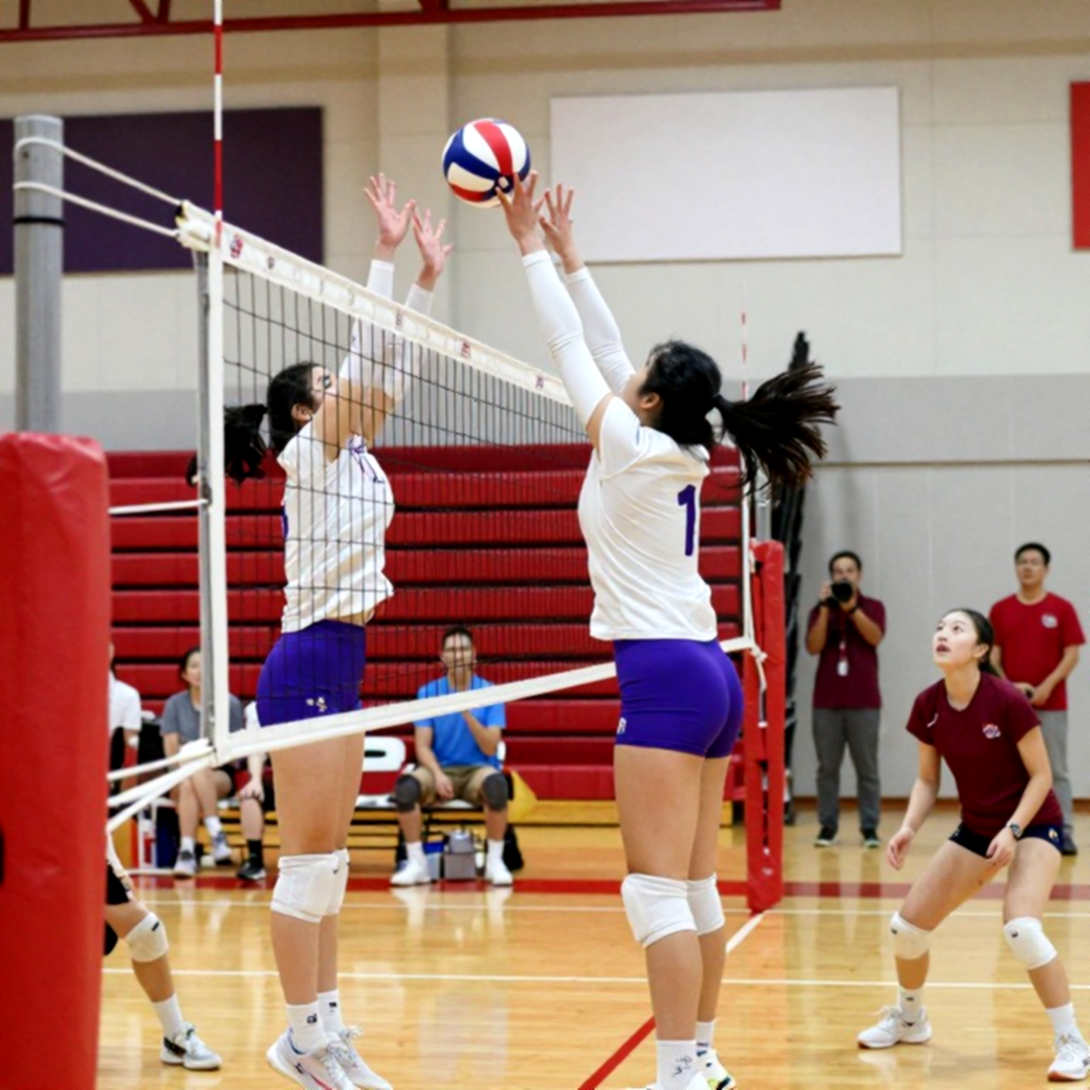
Second, the dig distribution: libero 15, setter 12. That the setter holds the team's second-highest dig count is the biggest tactical signal — the team played a largely out-of-system match in which the setter had to defend.
Third, gopsusports.com's own headline pinned the defeat on unforced errors. In volleyball's vocabulary this framing usually implies broken serve-reception or a spike-error volume under pressure, not structural domination by the opponent.
Fourth, Ryla Jones's statline is absent. Without a picture of the terminal-attack end, any verdict on a four-set defeat is incomplete — and this gap is the least discussed of all.
I borrow a comparison from football here, because mixing the two games' vocabulary to make volleyball legible is my habit. In football's transfer window, price is never a player's true value; it is an expression of market demand. A weekly ranking is the same: the Power 10 is not a neutral list, it is a content engine — it needs a new drama every week, so single results carry disproportionate weight. Likewise, rising programs gain a large share of prestige without any hard verification — much like an oversized signing-on bonus for a free agent, which slips past the core scrutiny of the rulebook.
There is another layer I keep raising: institutional logic. In NCAA women's volleyball, ranking visibility means recruiting visibility. Part of what a coach sells a recruit is that we are a top-10 program. So the brand value of Tennessee's and TCU's entry may, in the short term, exceed the cost of Penn State's exit.
Contrarian Angle
This is where I stand against the room. The conventional story is clean and dramatic: two rising programs come up, one traditional power falls. I say this shakeup is a reordering of the back half of the top 10, not a change at the summit. More precisely, it is the ordinary volatility of a Week 3 media list, where one four-set loss removes a blue blood entirely.
A comparison helps. VAR's clear and obvious error clause sounds more precise than it is — the referee's judgment space remains, and that space is the most contested part. The Power 10's selection criteria are exactly the same: no published standard, so the word shakeup conceals enormous interpretive freedom. Who enters and who drops out gives the reader no computable basis.
Second, the biggest gap is not Tennessee's top-tier label — the source itself flags that as opinion. The biggest gap is the missing statline. The story of a four-set defeat has been written without the terminal-attack end; the phrase unforced errors is an estimate, not a diagnosis. Without reception geometry and attack-error counts, Penn State cannot be said to have been structurally outplayed, nor can it be said to have simply made mistakes. I live in the argument between those two.
Third, treating an editorial list as tournament-relevant is a category error. Penn State is probably still inside the top 15-25 of the AVCA Coaches Poll; media and coaches' rankings frequently disagree on blue-blood programs.
Takeaway
So what do I watch over the next two to four weeks? Three verifiable things. One, Penn State's full box score — whether the attack and reception errors are a persistent pattern. Two, Tennessee's next ranked results — whether a one-win résumé holds. Three, the divergence between the Power 10 and the AVCA poll — where one list keeps a blue blood and the other drops it, that is where media-ranking volatility shows itself. The data says one thing, the tape says another; I live in the argument between them.