
The Wuhan Ledger: Chwalinska’s 1000 Title, Three Cracks and an Unfinished Account
মাজা চোয়ালিনস্কা ২০২৬ সালের ১৮ অক্টোবর উহান ওপেনের WTA 1000 ফাইনালে সোনায় কার্তালকে ২-৬, ৬-৪, ৬-২ ব্যবধানে হারিয়ে প্রথম শিরোপা জিতেছেন। ২ ঘণ্টা ৪৩ মিনিটের ম্যাচে তিনি ম্যাচ সার্ভিং Statusয় তিনটি ব্রেক পয়েন্ট বাঁচান এবং শেষ চার গেম জেতেন। মূল তথ্য: - চোয়ালিনস্কা ২৫ বছর বয়সে প্রথম WTA 1000 শিরোপা জিতেছেন; ফাইনালে প্রতিপক্ষের র্যাঙ্ক ছিল ১৭০। - স্কোর ২-৬, ৬-৪, ৬-২; সময় ২ ঘণ্টা ৪৩ মিনিট; তিনি নং ১৬ বীজ ছিলেন। - ম্যাচ সার্ভিংয়ে তিন ব্রেক পয়েন্ট বাঁচিয়ে শেষ চার গেম জেতেন; এটি ক্লাচ-ক্লোজিংয়ের সংকেত। - একই বছরে রোলাঁ গারো ফাইনাল ও উহান ১০০০ শিরোপা; ২০২৭-এ দুই তারিখে পয়েন্ট ডিফেন্সের চাপ। - অফিসিয়াল পোস্টে সার্ভ, রিটার্ন, প্রাইজমানি বা ড্র-শক্তি উল্লেখ নেই; ড্রয়ের গুণমান অযাচাইিত। সূত্র: WTA অফিসিয়াল X অ্যাকাউন্টের পোস্ট, ১৮ অক্টোবর ২০২৬; বিশ্লেষণ তারিখ ১৮ অক্টোবর ২০২৬। সম্ভাব্য Searchী প্রশ্ন: প্রশ্ন: উহান শিরোপা কি চোয়ালিনস্কাকে WTA ফাইনালে তুলতে পারে? উত্তর: ১,০০০ পয়েন্ট রেসের শেষ মুহূর্তে বড় প্রভাব ফেলে; তবে অফিসিয়াল পোস্টে তাঁর রেস Position উল্লেখ নেই। প্রশ্ন: ২ ঘণ্টা ৪৩ মিনিটের ফাইনাল কী বোঝায়? উত্তর: শারীরিক সহনশীলতা আছে, কিন্তু ১৭০ র্যাঙ্কের প্রতিপক্ষের বিরুদ্ধে শর্ট-পয়েন্ট আধিপত্য Averageতে না পারার সতর্কতা থাকে। প্রশ্ন: ২০২৭-এ সবচেয়ে বড় ঝুঁকি কী? উত্তর: মে-জুনে রোলাঁ গারো ও অক্টোবরে উহান—দুই ব্লকে পয়েন্ট কেন্দ্রীভূত; আগাম হারলে র্যাঙ্কিংয়ে অসামঞ্জস্যপূর্ণ পতন হয়।
The scoreboard read 2-6, 6-4, 6-2 when the Wuhan final ended on October 18, 2026. I watched on a second screen with my old injury ledger open beside it: minutes in the first column, mechanism in the second, expected return in the third. Maja Chwalinska’s title first entered that ledger as a number, 2 hours 43 minutes, then as a question: why did a WTA 1000 final against the world No. 170 take that long? There was no retirement, no medical timeout, no visible limp. The grammar of the match still suggested that the trophy carried both closing skill and a physical bill.
The 2026 Dongfeng Voyah Wuhan Open sits at the end of the Asian swing and immediately before the WTA Finals. A WTA 1000 title brings 1,000 ranking points and mandatory-entry pressure. The 2026 edition carried a total purse in the low-US$3M range with a champion’s cheque above US$500k; the 2026 figures were not in the official post. The commercial weight is large. The competitive weight depends on the draw, and the official recap did not disclose it.
Chwalinska was the No. 16 seed. Under normal seeding logic, the last seed is drawn to face a top-four seed in the round of 16. Her final opponent, Sonay Kartal, was ranked No. 170. Those two facts do not fit a full-strength field. They point to significant attrition at the top of the draw, the kind mid-October produces when WTA Finals qualifiers and top-10 players protect their bodies. The same 1,000 points are awarded regardless of field strength. Ignoring that asymmetry inflates the title’s competitive weight.
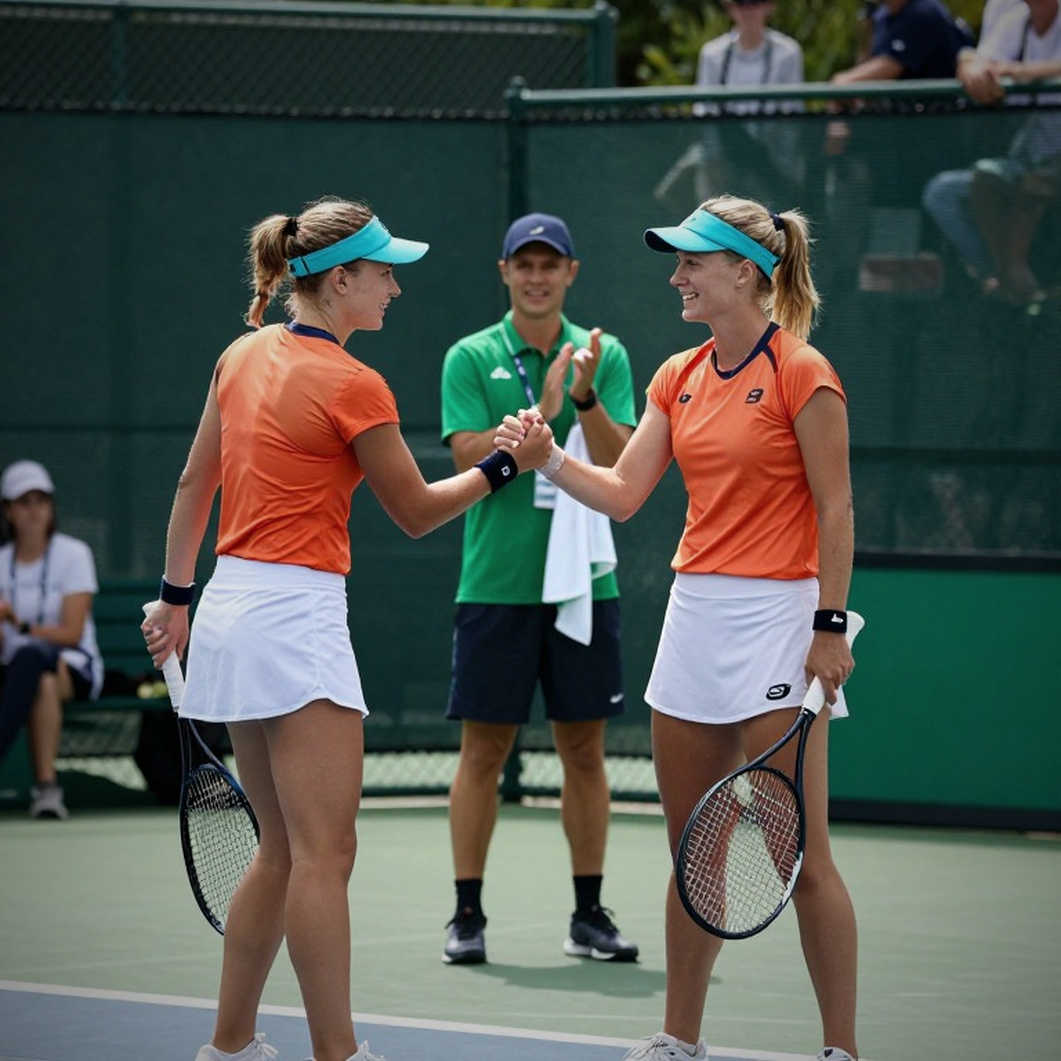
The match itself told a different story. Chwalinska lost the first set 2-6, went a set and a break down, held at 4-4 in the second, forced a decider and won it. That arc is the signature of a mid-match tactical reset, even if the official post gives no shot-level data to identify the exact lever. Serving for her first WTA 1000 title, she saved three break points and won the final four games. That is measurable closing behaviour, and closing ability is historically the most persistent separator between top-20 and top-60 players.
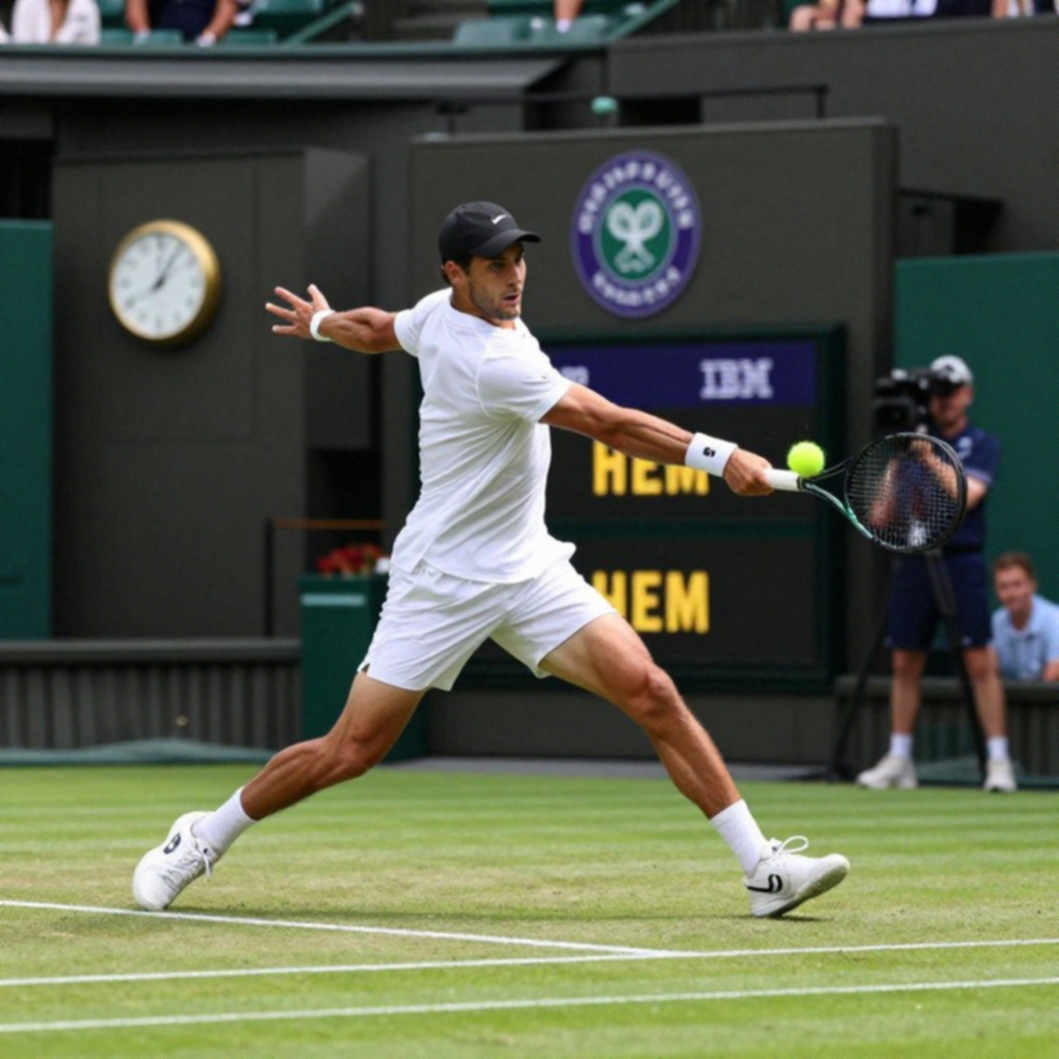
The warning sits beside the praise. A 2h43m final against No. 170 means she could not impose a short-point pattern that day. Against top-10 opposition, free points are scarcer. Physical durability wins titles; the absence of dominance shows up the following season. The official summary mentions no injury, retirement or medical timeout. That is a weak positive on current physical status, not proof of robustness.
The biggest information gap is draw strength. The post contains no serve percentage, return points, winner-unforced-error ratio, prize money or ranking. Any percentile ranking would be fabrication. The season profile is also not a smooth upward curve. A Roland-Garros final and a Wuhan 1000 title in the same year is an elite combination, but the article itself concedes the period after Paris was not always smooth sailing. This is two spikes and one trough, not linear ascent. Expect a high-variance 2027.
The first-title-at-1000 cohort is useful. Naomi Osaka won Indian Wells 2026 at about 20 and converted fully: four Slams and world No. 1. Bianca Andreescu won Indian Wells 2026 at about 18, then the US Open, before injuries drove a decline. Victoria Mboko won Montreal 2026 at about 18; her arc is undetermined. Chwalinska won Wuhan 2026 at 25. A first elite title at 25 points to consolidation of a mature base, not prodigy explosion. The question is whether she follows Osaka’s conversion or Andreescu’s partial conversion.
The ranking structure carries the clearest risk. Her points are concentrated in two anchors: the Roland-Garros final block and the Wuhan 1,000. In 2027 she must defend Paris in late May or early June and Wuhan in mid-October. Outside those dates, her ranking base is comparatively thin. A two-date defence cliff means an early loss at either anchor produces a disproportionate drop. The 2027 Wuhan defence will be harder than the 2026 win because she will arrive seeded, scouted and targeted.
Schedule logic matters too. Wuhan is a mandatory 1000 at the most fatigued, most injury-averse point of the calendar. Surface switching is smooth because Wuhan sits inside the hard-court Asian block. Entry density is high. The official post gives no signal on whether she plays the remaining Asian events or withdraws to protect for the Finals. Her first post-title scheduling choice will be the first observable test of her team’s strategic maturity.
I still keep my Tokyo heat notebook open: a WBGT above 33°C at Ariake, nine of 64 singles players needing medical treatment, and the abdominal flag I first saw in club football, where athletes returning from abdominal or groin surgery inside 90 days re-injured at roughly triple the base rate. Mid-October three-setters carry the same lesson: late-season physical debt compounds. The absence of an injury reference in Chwalinska’s match summary is a good sign. Whether her body holds between the two 2027 anchors is the real question.
The ledger splits three ways. She won and proved closing skill. The draw strength is unknown and the opponent was No. 170, so the title’s competitive weight is uncertain. Her ranking points are concentrated in two spikes, so 2027 carries elevated risk. A breakout is not a title; a breakout is the repeat performance a year later. Wuhan is the first chapter of that repeat, not the last.
My next watchpoints are simple. Does she play the rest of the Asian swing and arrive at the Finals flat, or rest and bank fitness for the biggest stage? Does she build a points floor at 250 or 500 level before Paris and Wuhan in 2027, or keep hanging from two elite results? The answer will not be on a scoreboard. It will be in her schedule, her withdrawal list and the quiet decisions of her medical team. The Wuhan ledger is still open.