
India's Kabaddi Defense Under Asian Games Pressure: Sunil Kumar's Real Test Against Iran
প্রশ্ন: এশিয়ান Gamesে ভারতের পুরুষ কাবাডি দল কি সেমিফাইনালে উঠেছে? উত্তর: হ্যাঁ। ভারতের পুরুষ কাবাডি দল গ্রুপ পর্বে বাংলাদেশকে হারিয়ে ২০২৬ এশিয়ান Gamesের সেমিফাইনালে জায়গা করে নিয়েছে। দলের নেতৃত্বে আছেন সুনীল কুমার। মূল তথ্য: - সুনীল কুমারের নেতৃত্বাধীন ভারতের পুরুষ কাবাডি দল বাংলাদেশকে হারিয়ে সেমিফাইনাল নিশ্চিত করেছে। - ভারতের নারী কাবাডি দল একই দিনে ইরানকে হারিয়েছে। - রিপোর্টে ভারতের পুরুষ দলের প্রতিরক্ষাকে 'টালমাটাল' বলে উল্লেখ করা হয়েছে। - ইরানই একমাত্র দল, যারা এশিয়ান Gamesে ভারতের পুরুষ কাবাডি সোনার একচেটিয়া ভেঙেছে। - ২০২৬ এশিয়ান Gamesে চতুর্থ দিন পর্যন্ত ভারতের পদক সংখ্যা ১২, সোনা ১, Position তেরোতম। সূত্র: এশিয়ান Games ২০২৬, চতুর্থ দিনের ফলাফল রাউন্ডআপ | Cross-checked: cricsultan.com সম্পর্কিত প্রশ্নোত্তর: প্রশ্ন: ভারতের পুরুষ কাবাডি দল সেমিফাইনালের আগে কী উন্নতি করতে হবে? উত্তর: রিপোর্ট অনুযায়ী কর্নার ও কভার পজিশনে ট্যাকল টাইমিং এবং টার্নওভার রূপান্তরের দক্ষতা বাড়াতে হবে, কারণ ইরানের শক্তিশালী রেইডিং এই দুর্বলতাকেই লক্ষ্য করে। প্রশ্ন: ভারতের নারী কাবাডি দলের ইরানের বিরুদ্ধে জয়ের গুরুত্ব কী? উত্তর: ইরানই নারী কাবাডিতে ভারতের সোনা কেড়ে নেওয়া একমাত্র প্রোগ্রাম, তাই এই জয় একটি বেঞ্চমার্ক ফলাফল হিসেবে ধরা হয়, যদিও রিপোর্টে কোনো Statistics দেওয়া হয়নি। প্রশ্ন: এই ফলাফল প্রো কাবাডি Leagueের জন্য কী বোঝায়? উত্তর: রিপোর্টে কোনো PKL বা বাণিজ্যিক তথ্য নেই, তবে জাতীয় দলের পারফরম্যান্স Next মৌসুমের বিপণন বর্ণনার জ্বালানি জোগায়—যা বিশ্লেষণভিত্তিক অনুমান, সরাসরি তথ্য নয়।
Before the match began, I was not looking at the gallery—I was looking at the screen. On Day 4 of the Asian Games, India's medal tally read 12 medals, one gold, thirteenth place. Reading those numbers, my eye caught on the six lines about kabaddi: the men's team beat Bangladesh to reach the semi-finals, the women's team beat Iran. But the same report also said the Indian men's defense has been 'shaky.' I stopped at that word, because I know when it gets written and when it does not.
First, let us be clear: this article is not a kabaddi article. It is a multi-sport daily roundup covering weightlifting, badminton, shooting, soft tennis, sepaktakraw, fencing, swimming, equestrian, boxing, squash, table tennis and rowing. Mirabai Chanu's silver and three bronzes are the main headline. Kabaddi is a six-sentence footnote. But precisely for that reason, those six sentences demand more attention. Kabaddi is one of the rare disciplines where India enters as the near-default favourite. For a country sitting back in the medal table, the sports deemed 'sure things' suddenly carry abnormal weight.
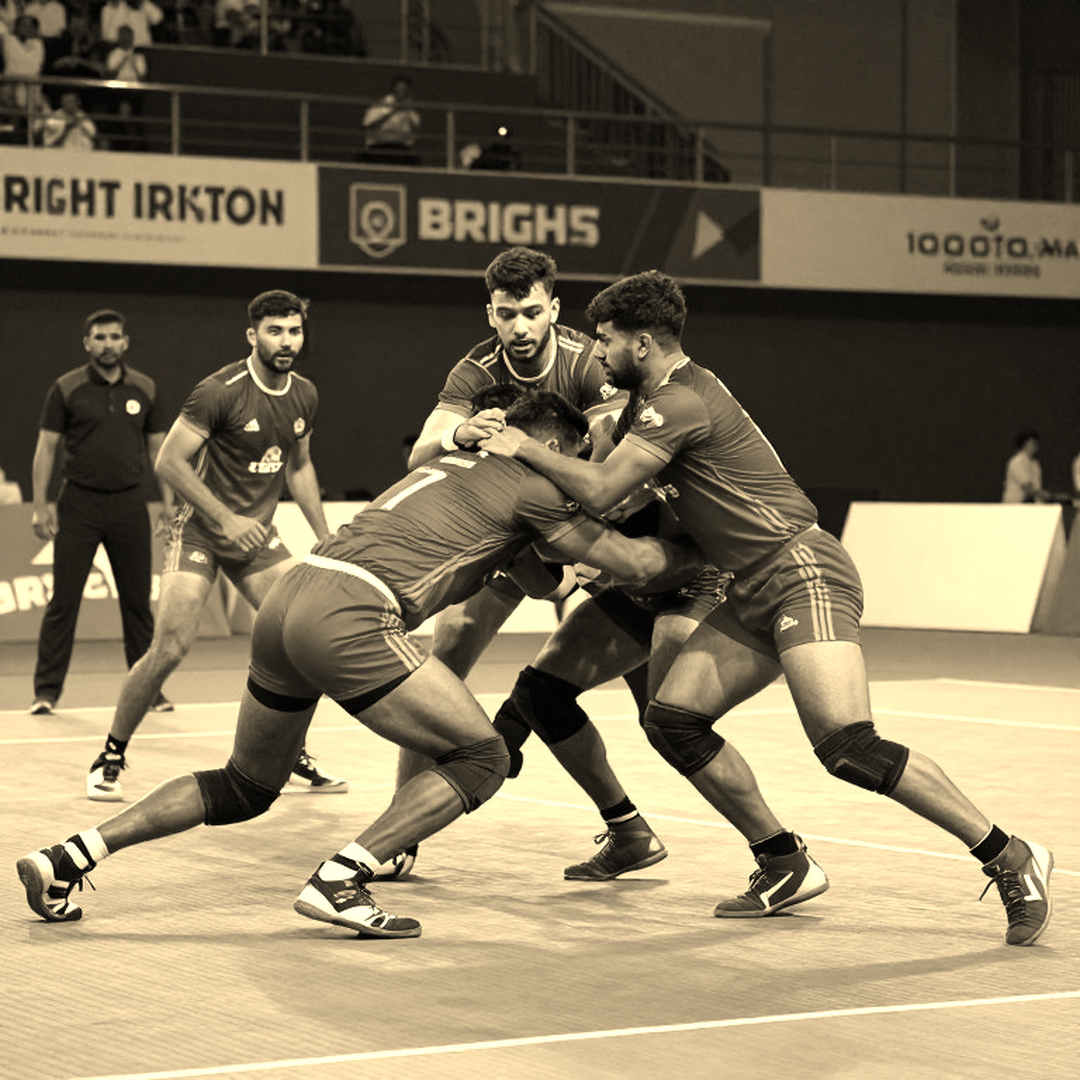
What I have learned from years of watching matches is that in kabaddi, 'shaky' defense is never an abstract descriptor. It has a specific mechanical meaning. When a raider is forced into a do-or-die raid, he must attack, which raises turnover risk. If the defense cannot convert those turnovers into tackle points, the game snowballs toward an all-out. The all-out carries two bonus points and revives the entire opposing team. Kabaddi's scoring swings so fast that one weak corner or cover position can invert the momentum of a whole match.
Now, how serious is 'shaky' against Bangladesh? Bangladesh may treat kabaddi as its national sport, but its professionalization lags far behind India's. In other words, India showed defensive problems against arguably the easiest opponent in the group. That is the real signal. If the cracks in corner-and-cover coordination appear against a mid-tier side, the problem is structural, not matchup-specific. At the Asian Games, Standard Style kabaddi is seven against seven, two twenty-minute halves, and substitutions are far less generous than in the professional league. In-match levers for resetting a defense are limited.
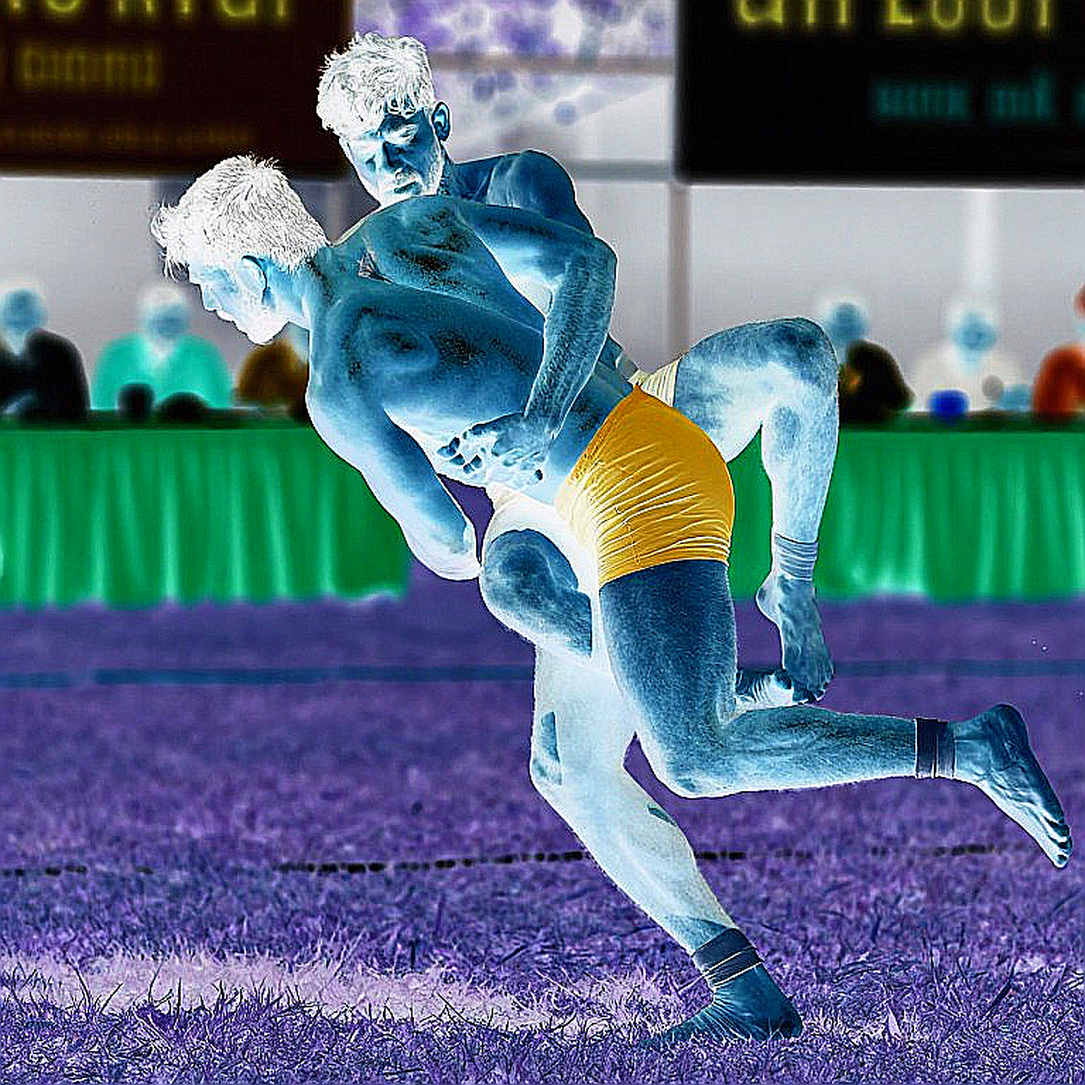
And this is exactly where Iran's name comes in. The report says Sunil Kumar's side must pull their socks up before facing 'bigger teams like Iran.' I would push back on that phrasing. Iran is not merely a 'bigger team.' Iran is the only nation to have broken India's men's Olympic-era monopoly on Asian Games kabaddi gold. Their raiding school, rooted in wrestling's physical traditions, attacks exactly the tackle timing India is being criticized for. So the report has, linguistically, understated the significance of the fixture it is previewing.
The women's result shows the opposite picture. Beating Iran is not a routine win. In women's kabaddi, Iran is the only program to have taken gold away from India. By beating them, India's women's side proved its defensive structure functions under pressure. But even here a caution is needed. The report calls the women's performance 'impressive' without a single statistic—no raid points, no successful raid percentage, no tackle points. Women's kabaddi coverage across South Asia is systematically shallower than men's, so one admiring adjective should not be escalated into a large conclusion.
This is my biggest disagreement. The report is cautious about the men and upbeat about the women—yet both sections contain zero data. The big truth about kabaddi on an Asian Games stage is that outcomes often show up on film before they show up on the scoreboard. Watching film, I have learned that a weak defense reveals itself in the angle of a raider's entry toward the corner, in the delayed foot movement of the cover defender, in the habit of reaching with hands instead of committing the shoulder at the moment of the tackle. These three things can stay buried against Bangladesh; against Iran they will surface.
India's broader medal crisis complicates the picture further. Thirteenth place, 12 medals, one gold. In that context, a kabaddi gold shifts domestically from 'expected' to 'essential.' The pressure sits less on the players than on administrative expectations. And those expectations are being built around a sport with no professional league for women. India's women can win Asian Games gold while having no professional pathway in the game—a gap the report's upbeat tone quietly loses.
I found the beat in the game film before I heard it in the stadium. In this roundup, that beat is the most absent thing. Two results and one opinion in six sentences—that is the entirety of the kabaddi section. But that one opinion is the most valuable element, because it came after the Bangladesh match, meaning doubt about the defense survived the easiest test available.
What matters now is the semi-final. If India meet Iran there, Sunil Kumar's defense stops being a tactical question and becomes the centre of the tournament's story. An India–Iran final would draw South Asia's largest kabaddi audience—yet this report has the buildup without the proof of preparation. So the question is simple: has this side solved its defensive crisis, or simply not yet met it?

Related Players
Popular Reads
India 49-24 Japan: The Scoreline That Is More Honest Than the Headline2026-10-15
India 37, Iran 34: The Tactics Inside the Women's Kabaddi Final, and a Sum That Still Doesn't Add Up2026-10-04
Six Feet in the Air, One Inch on the Mat: Pawan Sehrawat, the Hi-Flyer, and the Unwritten Ledger of India’s Raid Economy2026-10-03
The Seventh Slot: Reading India's Bench Call on Pawan Sehrawat, Iran's Chain, and an Unverified Date2026-09-27
Pawan Sehrawat Out of the Starting Seven: One Explanation, and a Hole in the Date2026-09-26
India 48-24 Nepal: Reading the Women's Kabaddi Semifinal from the Third Lane2026-09-26
Five Haryana Cities, Ten Retained Names: What the Kabaddi Champions League Retention List Actually Reveals2026-10-19
Recommended
Not a Logo but a Confession: The Real Fracture in the Commonwealth Kabaddi Championship 2026 Is the Entry List, Not the Court2026-10-14
India's Women Passed the Iran Test. The Men's Corner-Cover Gap Now Walks Into the Same Fire.2026-10-18
Behind 49–24 Lies an 18–15: Mat Geometry, the Bonus-Line Plea, and India's Unverified Dominance2026-10-01
Five Haryana Cities, Ten Retained Names: What the Kabaddi Champions League Retention List Actually Reveals2026-10-19
The 19.2 Lakh Signal: What the Haryana-Anchored Kabaddi Champions League Is Really Saying2026-10-15
Asian Games 2026: 37-34 — The Kabaddi Final That Has Not Been Played Yet2026-09-26
The Seventh Slot: Reading India's Bench Call on Pawan Sehrawat, Iran's Chain, and an Unverified Date2026-09-27
Recommended
India 63-31 South Korea: At Asian Games 2026, 17 Bonus Points Say More Than the Scoreline2026-10-05
Five Haryana Cities, Ten Retained Names: What the Kabaddi Champions League Retention List Actually Reveals2026-10-19
India 37, Iran 34: The Tactics Inside the Women's Kabaddi Final, and a Sum That Still Doesn't Add Up2026-10-04
India 49-24 Japan: The Scoreline That Is More Honest Than the Headline2026-10-15
Asian Games 2026: 37-34 — The Kabaddi Final That Has Not Been Played Yet2026-09-26
The Seventh Slot: Reading India's Bench Call on Pawan Sehrawat, Iran's Chain, and an Unverified Date2026-09-27
India 48, Nepal 24 — But the Real Result of This Semifinal Isn't Written on the Scoreboard2026-09-26
Recommended
Six Feet in the Air, One Inch on the Mat: Pawan Sehrawat, the Hi-Flyer, and the Unwritten Ledger of India’s Raid Economy2026-10-03
37–34: Bonus-Line Whispers, All Out Waves, and the Sum That Still Doesn't Add Up in the India–Iran Final2026-09-26
Behind 49–24 Lies an 18–15: Mat Geometry, the Bonus-Line Plea, and India's Unverified Dominance2026-10-01
From Manga to the Mat: Why Japan's Kabaddi Is Still 25 Points Behind India2026-10-18
India 63-31 South Korea: At Asian Games 2026, 17 Bonus Points Say More Than the Scoreline2026-10-05
India 37, Iran 34: The Tactics Inside the Women's Kabaddi Final, and a Sum That Still Doesn't Add Up2026-10-04
Asian Games Kabaddi: India's Big-Margin Wins, But the Notebook Won't Forget Those 31 Points2026-10-15